API Spec 7-1 Certified ISO 9001:2015 Approved Heavy Excavation Technology

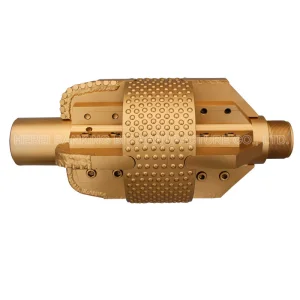
Top China Cutter Heads Manufacturers & Exporters

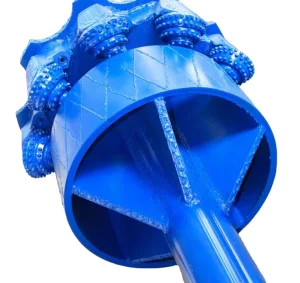
Precision-Engineered Drill Bits, Horizontal Directional Drilling (HDD) Hole Openers, and Hard-Rock Core Boring Tools designed for maximum penetration rate and prolonged wear life in the most demanding geological environments.

Shandong Savvy Tools Co., Ltd.

Established as a core pioneer in the drilling tools manufacturing sector, Shandong Savvy Tools Co., Ltd. integrates leading material science with advanced metalworking. Located in the manufacturing hub of Shandong Province, China, we excel in the production, supply, and engineering of premium rock excavation instruments, mining components, and trenchless cutter head configurations.

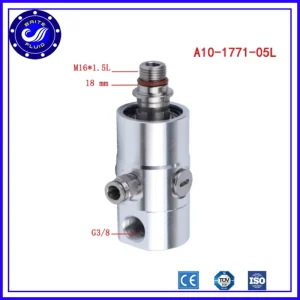
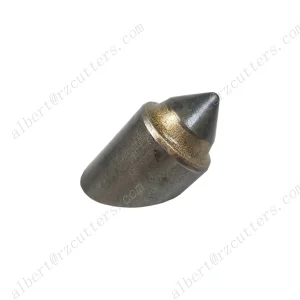
Our catalog features state-of-the-art Polycrystalline Diamond Compact (PDC) bits, tungsten carbide inserts, DTH hammers, HDD hole openers, and complex sub-surface tooling accessories. We operate as a full-scale development partner for international mining houses, geodetic construction contractors, and deepwell oil & gas utility engineering projects across five continents.

  • State-of-the-art metallurgical lab verifying abrasive wear index.
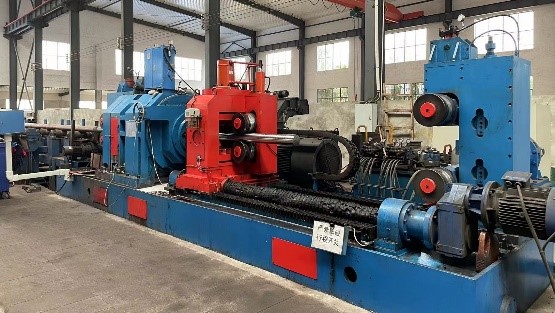
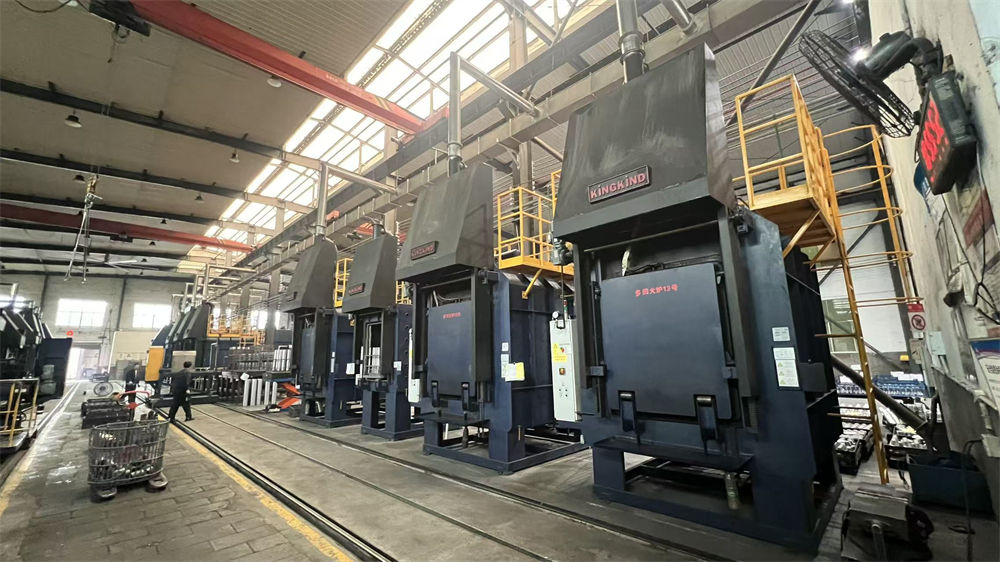
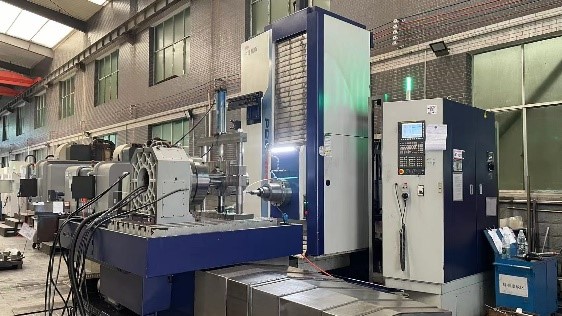
  • In-house CNC machinery and high-precision atmospheric tempering furnaces.
  • Robust global supply chain spanning Europe, Asia, Americas, and Africa.
  • Direct engineer-to-client configuration alignment for tailored rock formation tools.
50+
Export Countries
100%
API Standard Tested
15+
Years R&D Depth
ENGINEERING MODEL

Cutter Head Dynamic Core

Cutter Material
Premium WC-Co (Tungsten Carbide Cobalt Matrix)
Structural Composition
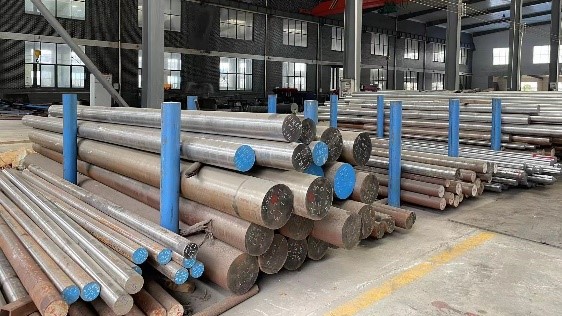
Forged High-Alloy Steel Body (40CrNiMo)
Hardfacing Application
Laser Cladding & Robotic Weld Overlay
Hydrodynamic Mechanics
Balanced Jet Nozzles for Slurry & Boot Cleaning

Strict Production Processes & Quality Control

Our manufacturing line employs a multi-tiered metallurgical processing system. Each step is closely monitored to guarantee stability under high torsional stress.

Process A: Heavy Forged Component Stream

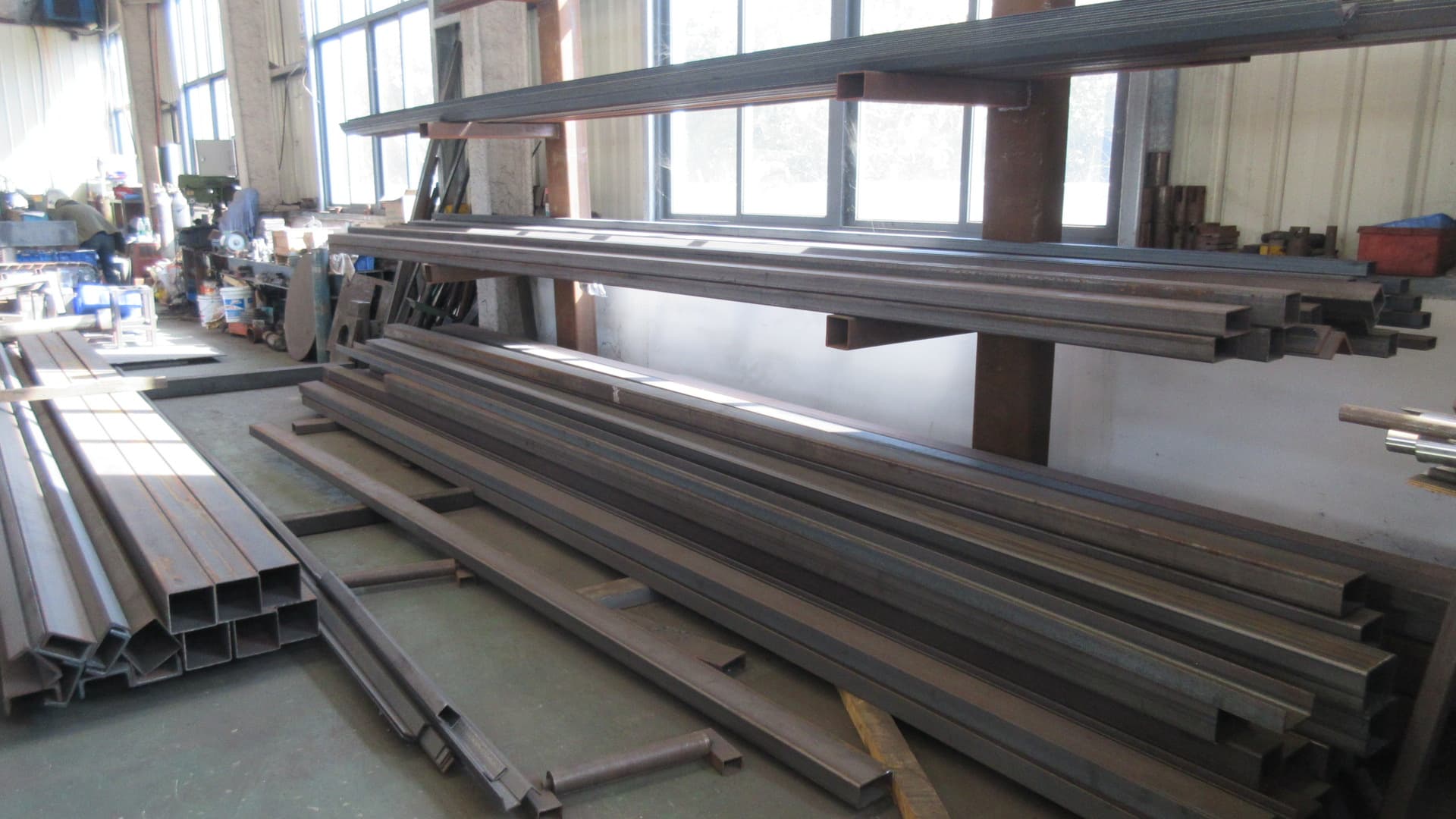
Raw Materials Inspection
1. Raw Materials
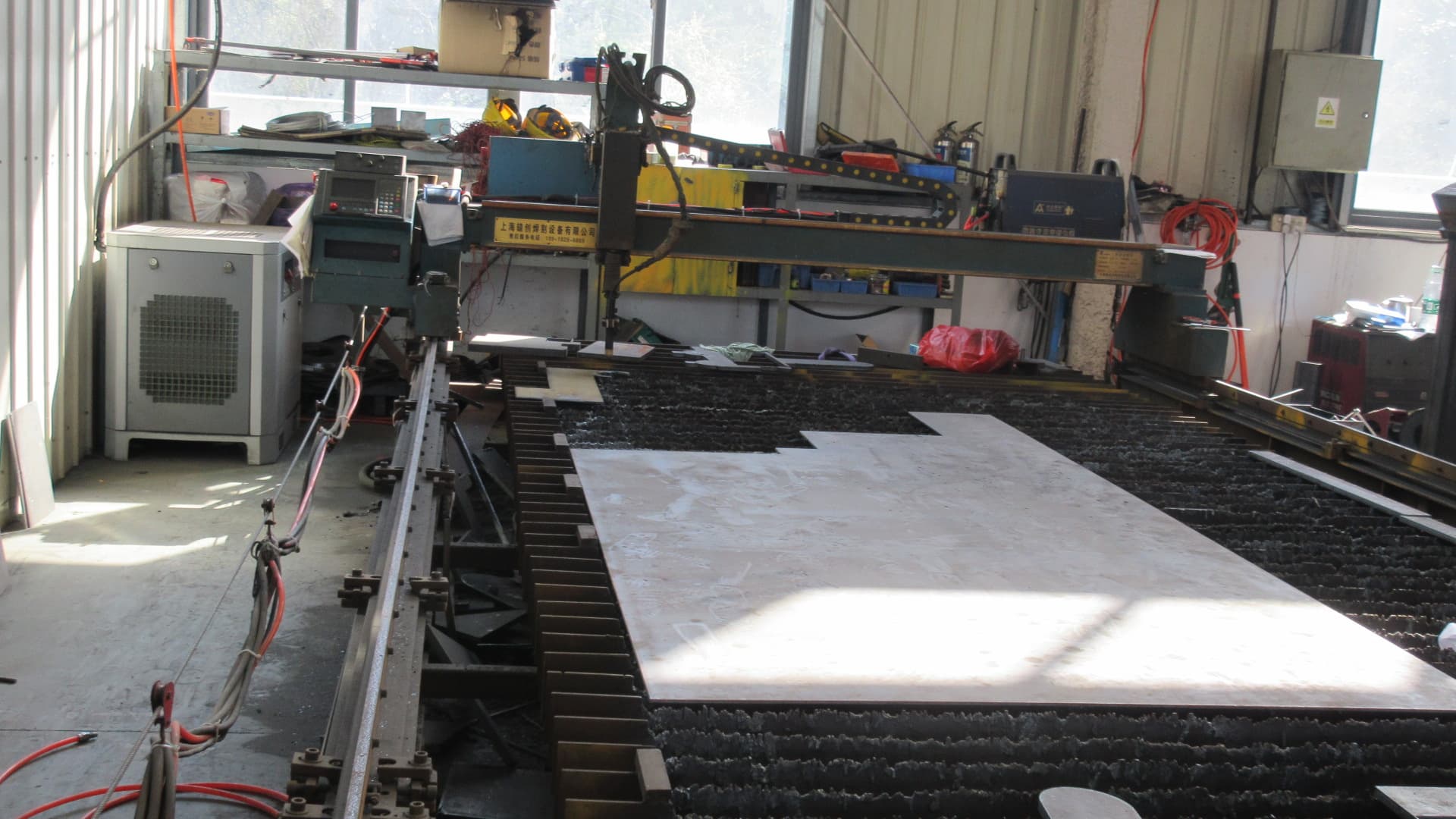
Precision Steel Cutting
2. Cutting
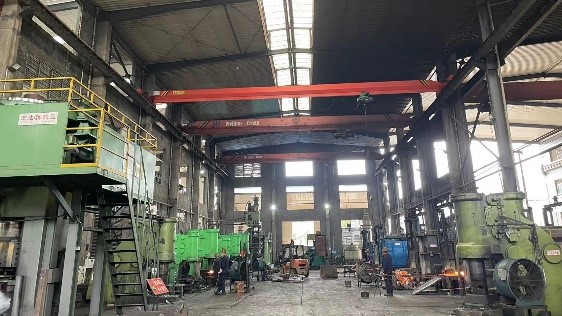
Thermal Forging Process
3. Forging
Controlled Heat Treatment
4. Heat Treatment
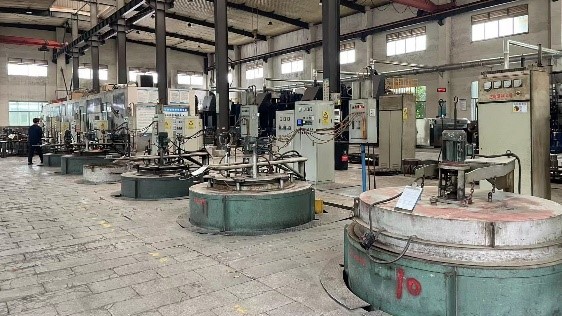
Metal Annealing Stage
5. Annealing
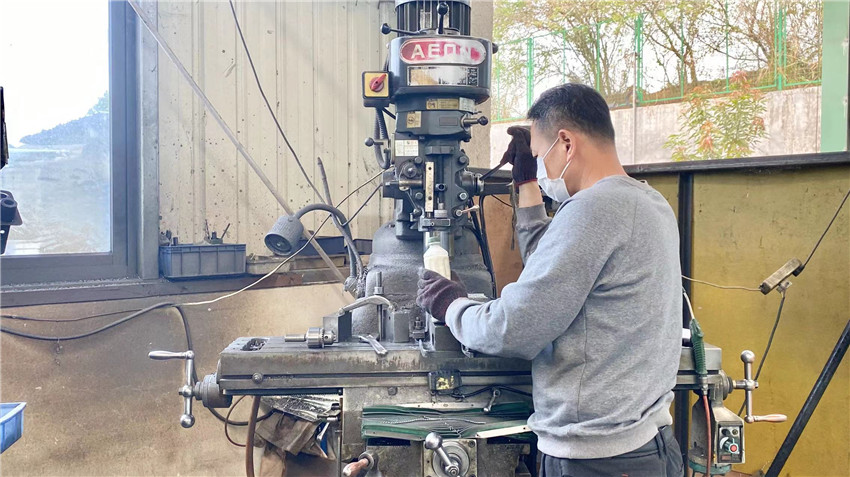
Precision CNC Machining
6. Machining
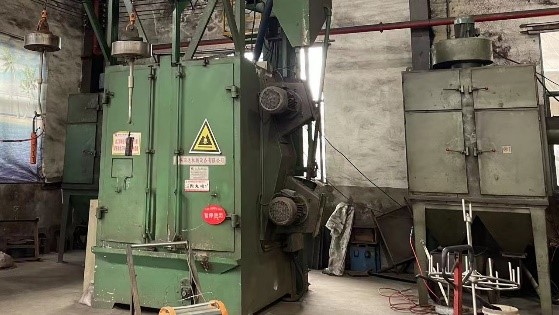
Surface Shot Blasting
7. Blasting
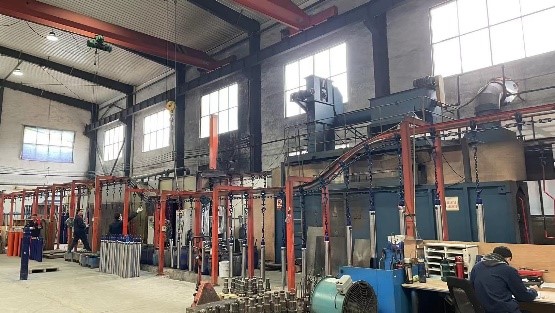
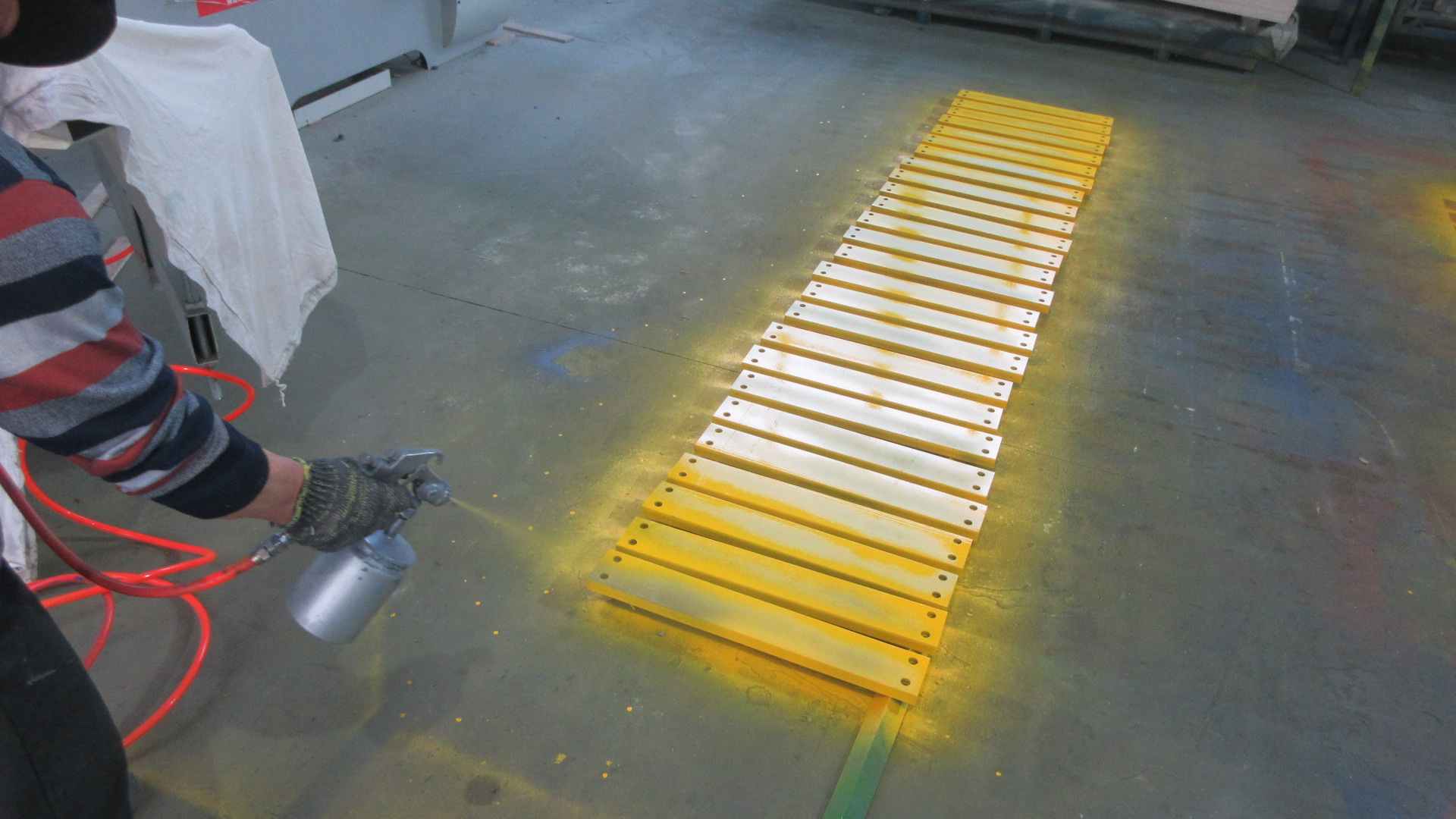
Robotic Protective Spraying
8. Spraying
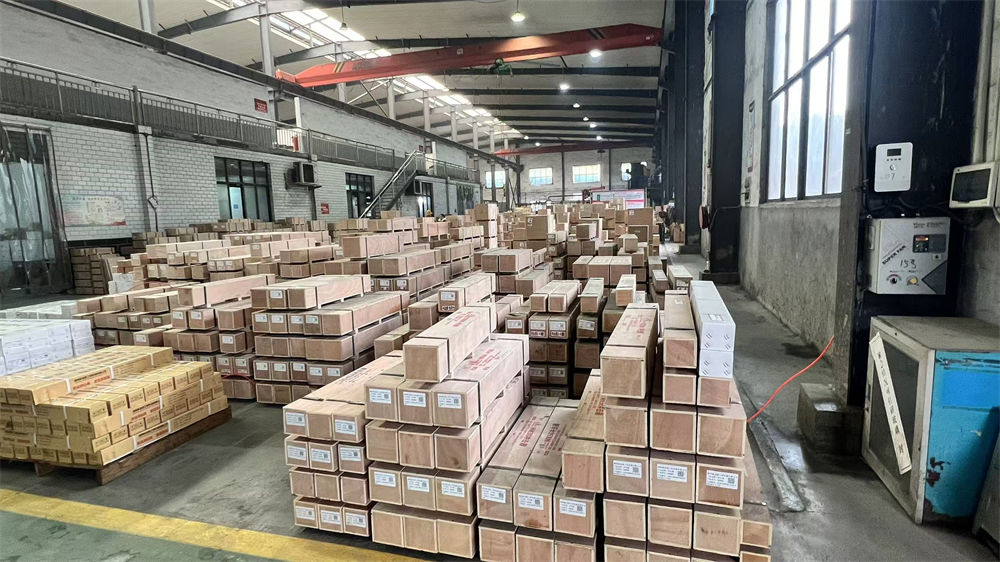
Packaged Finished Products
9. Packaged

Process B: Structural Subassembly & Welded Bit Fabrication

Subassembly Raw Materials
1. Raw Materials
Billet Profiling and Cutting
2. Cutting
CNC Machining and Pocket Milling
3. Machining
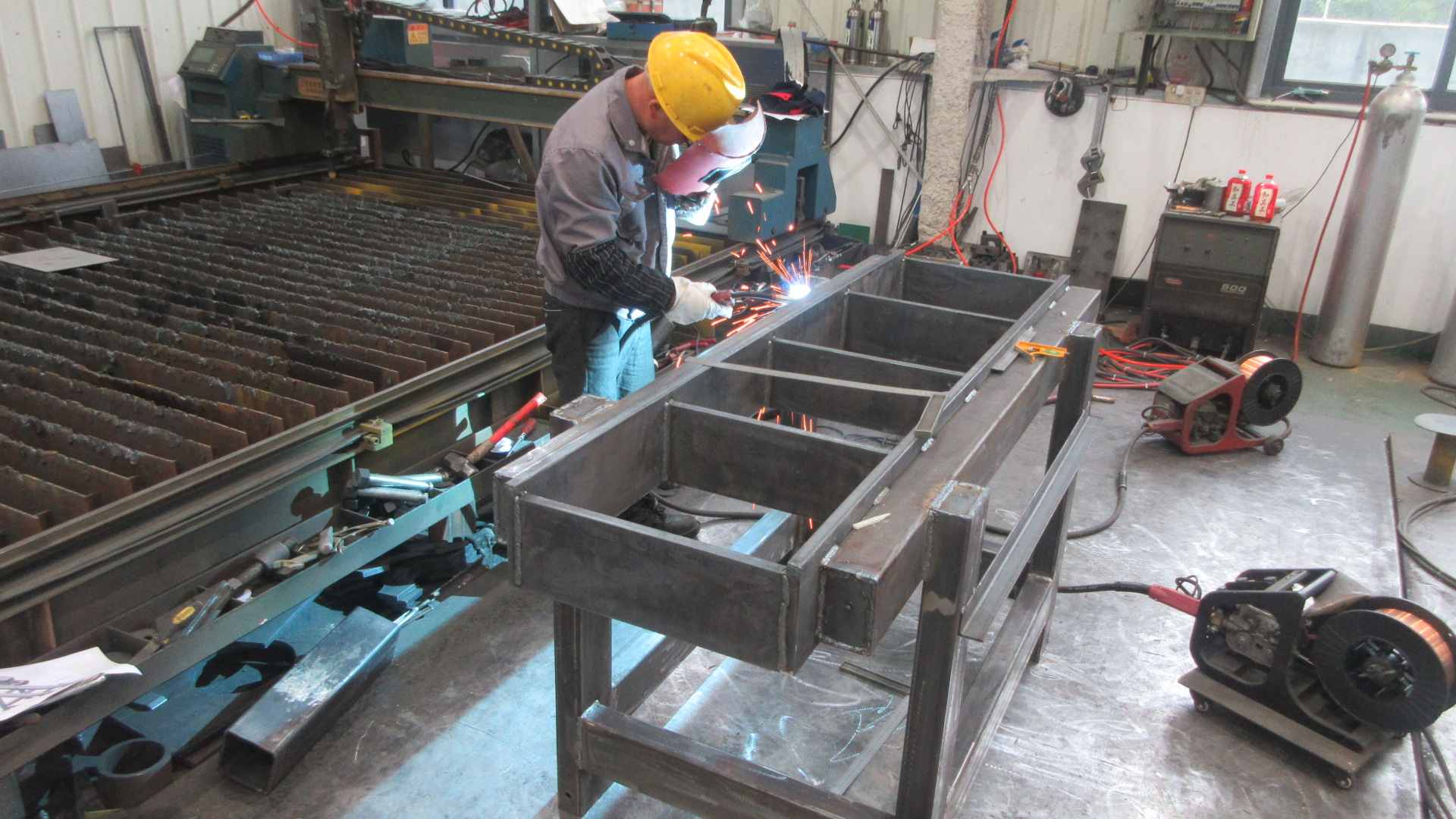
Induction Welding / Brazing
4. Welding
Corrosion Resistant Painting
5. Painting

Key Trends Shaping the Cutter Head Industry

Technological evolution, material optimization, and mechanical design adjustments drive efficiency in modern geological boring.

1. Transition to Premium Ultra-Hard Composites

Traditional structural alloys are being phased out in favor of advanced metallurgical formulas. Integrating Polycrystalline Diamond Compact (PDC) configurations alongside micro-grained Tungsten Carbide Cobalt (WC-Co) optimizes fracture performance. These composites retain geometry profile and cutting integrity even when exposed to excessive localized frictional heating.

2. Data-Driven Cutter Configuration & Balancing

Boring systems now rely on structural spatial algorithms to model cutter load balancing. Dynamic software positioning of cutter discs and teeth mitigates eccentric shaft loading, minimizing premature bearing fatigue and optimizing energy transmission to the rock face.

3. Eco-Friendly Drilling Operations

Trenchless horizontal directional drilling (HDD) continues to see rising demand due to strict environmental guidelines around urban centers. New fluid dynamics configurations within cutter heads optimize bentonite slurry clearance, reducing fluid consumption and minimizing the risk of sub-surface blowout incidents.

Understanding Procurement Requirements & TCO

Purchasing heavy boring components requires looking beyond the initial purchase price. Large-scale procurement teams evaluate tool life, penetration rates, and operational downtime to determine the real cost per foot drilled.

We work closely with sourcing departments to optimize these parameters by adjusting cutter grades, body steel configurations, and hardfacing thickness based on historical field data from active job sites.

Formations Type Key Challenge Recommended Cutter Profile TCO Impact
Abrasive Granite / Quartz Severe abrasive wear Domed Tungsten Carbide Inserts (TCI) Extends bit lifetime up to 45%
Sticky Silt / Clay Cutter clogging / balling up High-flow jet nozzles with PDC scraper blades Improves ROP by 30%
Interbedded Strata Impact fracturing / delamination Hybrid cutter layout (PDC + Roller Cones) Reduces trip-out frequency

TCO Reduction Framework

Our engineering services focus on three primary cost-control pillars:

  • Optimized Metallurgy: Utilizing 40CrNiMo alloy steel cores processed with multi-stage heat treatments ensures high core toughness and prevents body deformation in tough formations.
  • Field-Adjustable Jets: Interchangeable fluid nozzles allow operators to fine-tune hydraulics based on slurry weight and pump output.
  • Re-manufacturability: Our roller cone cutters and hole openers are designed for pocket rebuilds, allowing operators to replace individual worn rollers or inserts instead of the entire body.
Helpful Insight: Over 65% of sub-surface tool failures result from choosing the wrong cutter layout rather than manufacturing defects. Aligning geology profiles with the correct bit configuration is the most effective way to lower overall operational costs.

Macro Engineering Solutions

Our tools are deployed globally across demanding infrastructure, resource extraction, and civil engineering projects.

01

Trenchless Pipeline Installations (HDD)

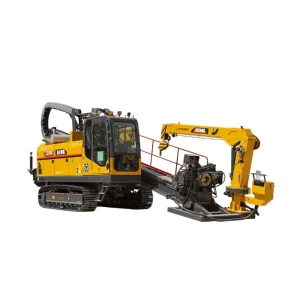
Our large-diameter rock reamers and PDC hole openers deliver stable performance for river crossings and municipal pipeline installations. High-flow flushing channels keep cutting tracks clear and prevent mud rings in sticky formations.

02

Underground Mining & Tunneling

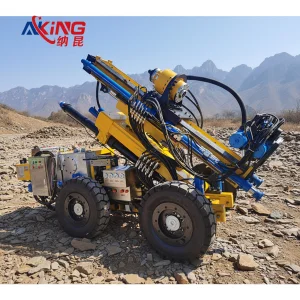
For operations using raised boring and DTH mining rigs, we supply DTH hammer bits, cutter profiles, and replacement tool joints that stand up to continuous impact in hard, abrasive rock formations.

03

Deep Oil, Gas & Geothermal Wells

Our API-compliant casing pipes, safety joints, and premium tricone rock bits are engineered to handle high temperatures and hydrostatic pressures during deep-well reservoir drilling.

Global Quality Standards & Technical Support

Every tool we produce is manufactured to meet or exceed international standards, ensuring reliable performance in demanding field conditions.

  • Material Traceability: Every batch of alloy steel and tungsten carbide comes with complete chemical composition certifications.
  • Dimensional Accuracy: CNC machining tolerances are held within 0.02mm, ensuring precise tool alignment and thread matching.
  • API Spec 7-1 Compliance: Thread profiles and shoulder layouts match API standards to ensure seamless integration with existing drill strings.
  • Global Shipping Support: Specialized anti-corrosion packaging and heavy-duty wooden crates protect tools during long-distance transit.

We also provide localized technical assistance. Our field engineers can review performance data, analyze wear patterns remotely, and recommend adjustments to operating parameters (such as weight on bit and rotational speed) to maximize tool life.

Testing & Verification Protocol

Ultrasonic Flaw Detection Non-destructive internal testing checks for subsurface micro-cracks in forged parts before machining.
Rockwell Hardness Inspection Verifies hardness values on critical areas like cutter pockets and thread joints to prevent galling.
Post-Weld Heat Treatment (PWHT) Thermal stress relief processes reduce brittle zone hazards in heavy welded assemblies.

Technical Roadmap (2025–2030)

Developing next-generation solutions for smart, high-efficiency rock boring operations.

2025-2026: Wear-Resistant Nano-Structured Matrices

Introducing binder matrices enriched with nano-carbide grains. These alloys increase cutter toughness, helping prevent impact fracturing when transition drilling through interbedded rock formations.

2027-2028: Smart Telemetry Tool Elements

Developing prototype systems with integrated sub-surface sensor arrays. These modules monitor internal tool temperature and vibration levels in real time, helping prevent premature bearing lockup.

2029-2030: Additive Tool Manufacturing

Applying directed energy deposition (DED) 3D metal printing to build complex internal cooling paths directly inside our cutter heads, optimizing fluid dynamics and cutter cooling performance.

Frequently Asked Technical Questions

Key engineering details to help guide your next tool procurement or drilling project.

What criteria should dictate the choice between roller cone cutters and PDC cutters? +
PDC cutters work best in homogeneous, non-abrasive soft to medium-hard rock (such as shales and limestones) by shearing the formation, which typically yields a higher rate of penetration (ROP). For highly abrasive, heterogeneous, or hard rock (such as granite, quartzite, or basalt), roller cone cutters are preferred. They crush and chip the rock under load, handling impact stress much better without premature chipping.
How does Shandong Savvy Tools ensure raw alloy steel integrity? +
We purchase all our raw steel, such as 40CrNiMo forging stock, from verified domestic steel mills. Every delivery must pass spectrographic material analysis to confirm chemical ratios and undergo ultrasonic inspection to ensure there are no internal voids or cracks before production begins.
Can cutter heads be customized for specific project requirements? +
Yes. We regularly design tools for specific site conditions by modifying cutting diameters, choosing between steel-body or matrix-body configurations, adjusting hardfacing thickness, and optimizing jet nozzle positions based on the expected mud weight and slurry flow rate.
What role does heat treatment play in preventing tool failure? +
Controlled quenching and tempering cycles adjust the metallurgical structure of the steel. This balancing process ensures the tool body is hard enough on the surface to resist abrasive wear, yet retains a tough core to absorb the constant impacts of drilling without cracking or fracturing.
What are the typical lead times for custom or bulk tooling orders? +
Standard catalog items are generally shipped within 7 to 15 days from stock. Large-scale bulk orders or custom-engineered designs typically require 30 to 45 days to complete forging, CNC machining, heat treatment, and quality control validation.